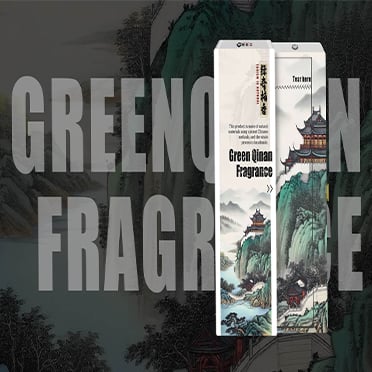
Features:
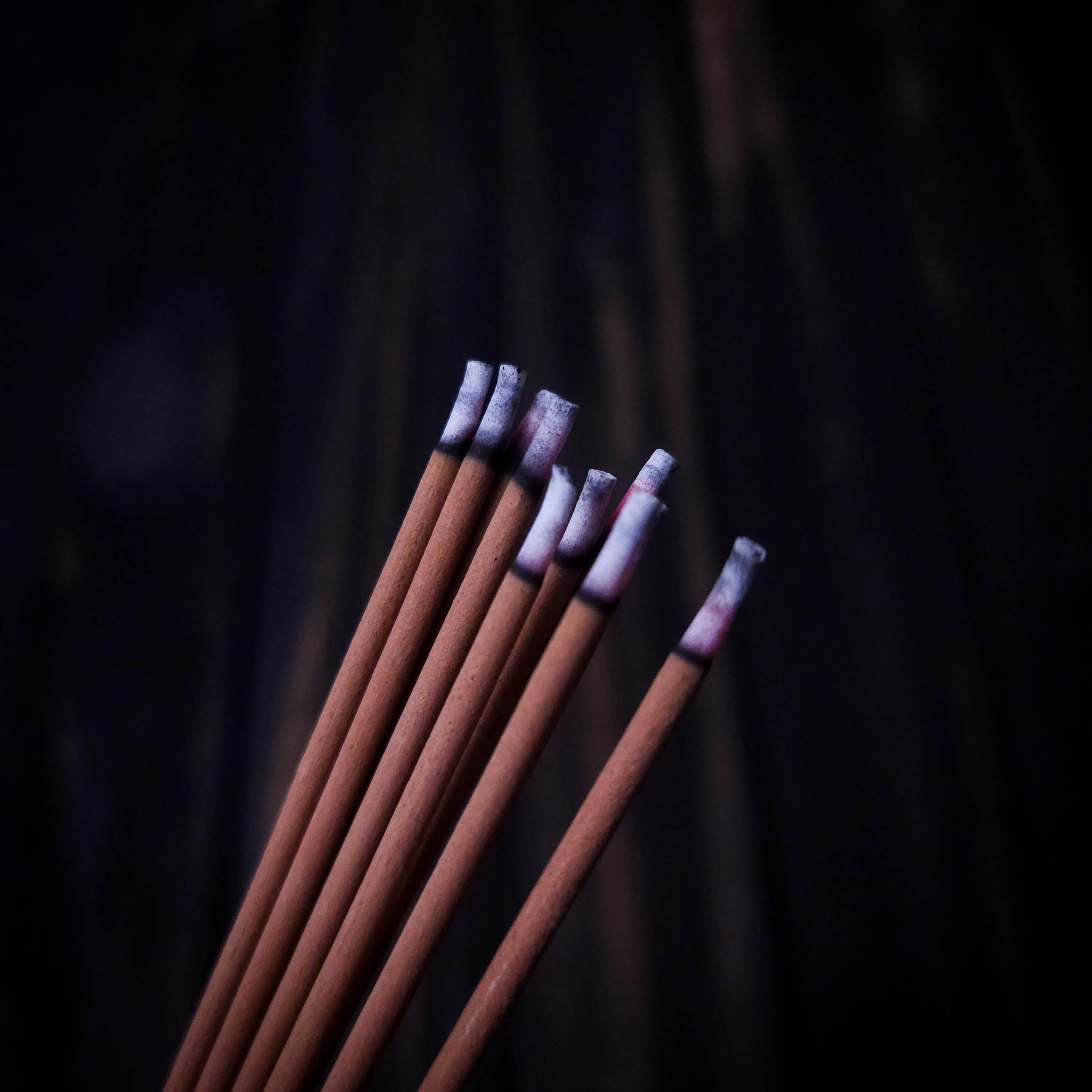
[Gentle, Non-Chonging] Years of aging have softened the harsh, astringent aroma of mugwort, resulting in a softer, gentler, and more comfortable smoke.
[Improved Efficacy] As the saying goes, "A seven-year illness requires three years of mugwort treatment." Aged mugwort essential oil becomes more concentrated and more penetrating, providing gentler and longer-lasting calming, dampness-removing, and cold-dispelling effects.
[Calming and Purifying] Its calming, soothing aroma effectively soothes moods, promotes sleep, purifies indoor air, and creates a peaceful and tranquil atmosphere.
[Natural Health] Made from naturally aged mugwort, this smoke is additive-free. Enjoy some of the benefits of traditional moxibustion through incense, making it a simple, everyday health-enhancing method.
Specifications:
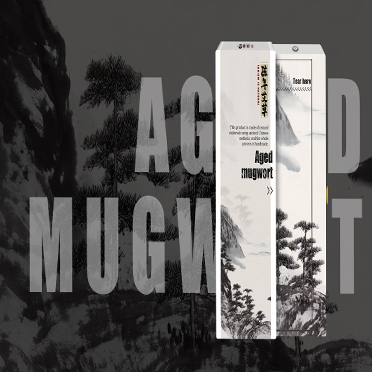
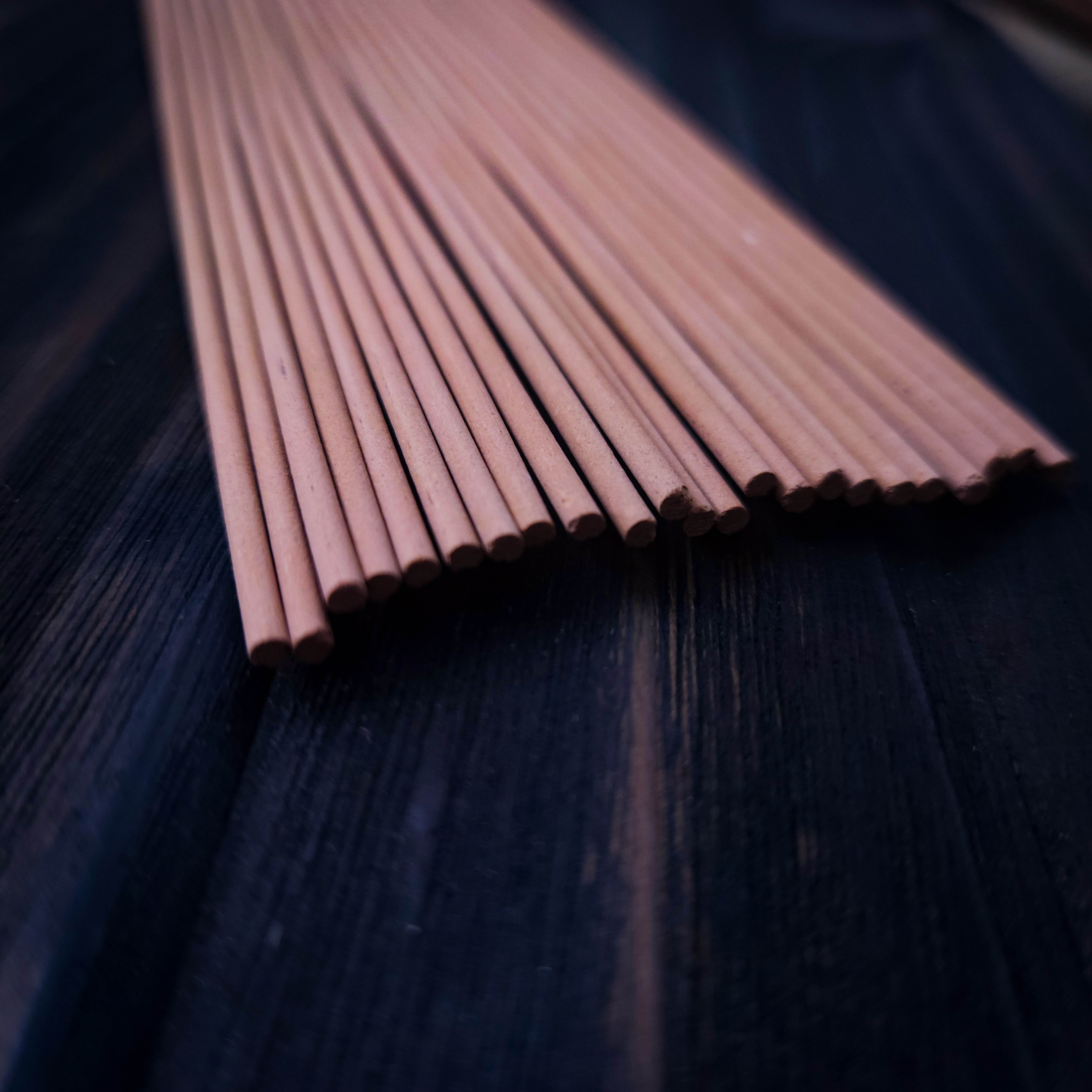
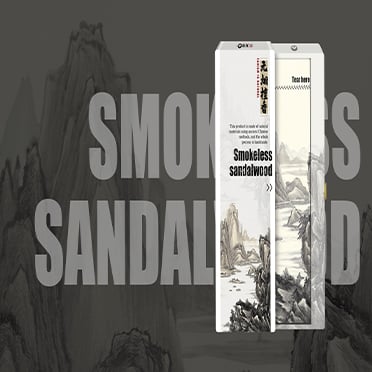
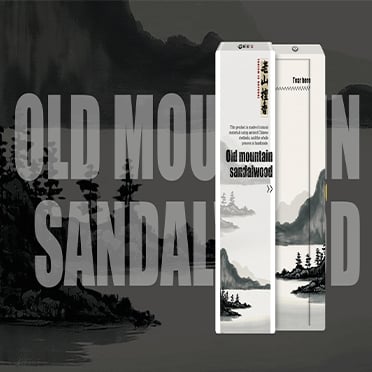
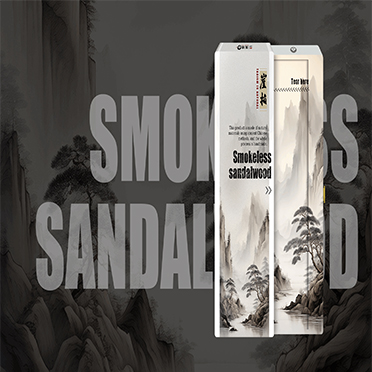
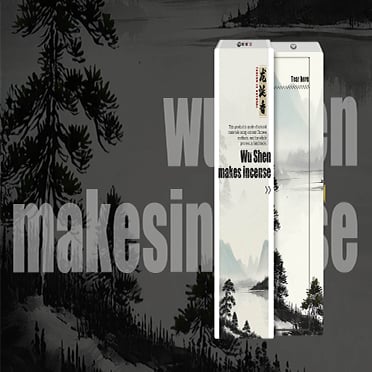
Product Specifications: 28*10*4cm per box. A standard box contains approximately 100-120 pieces, subject to actual delivery.
Standard weight: 200g
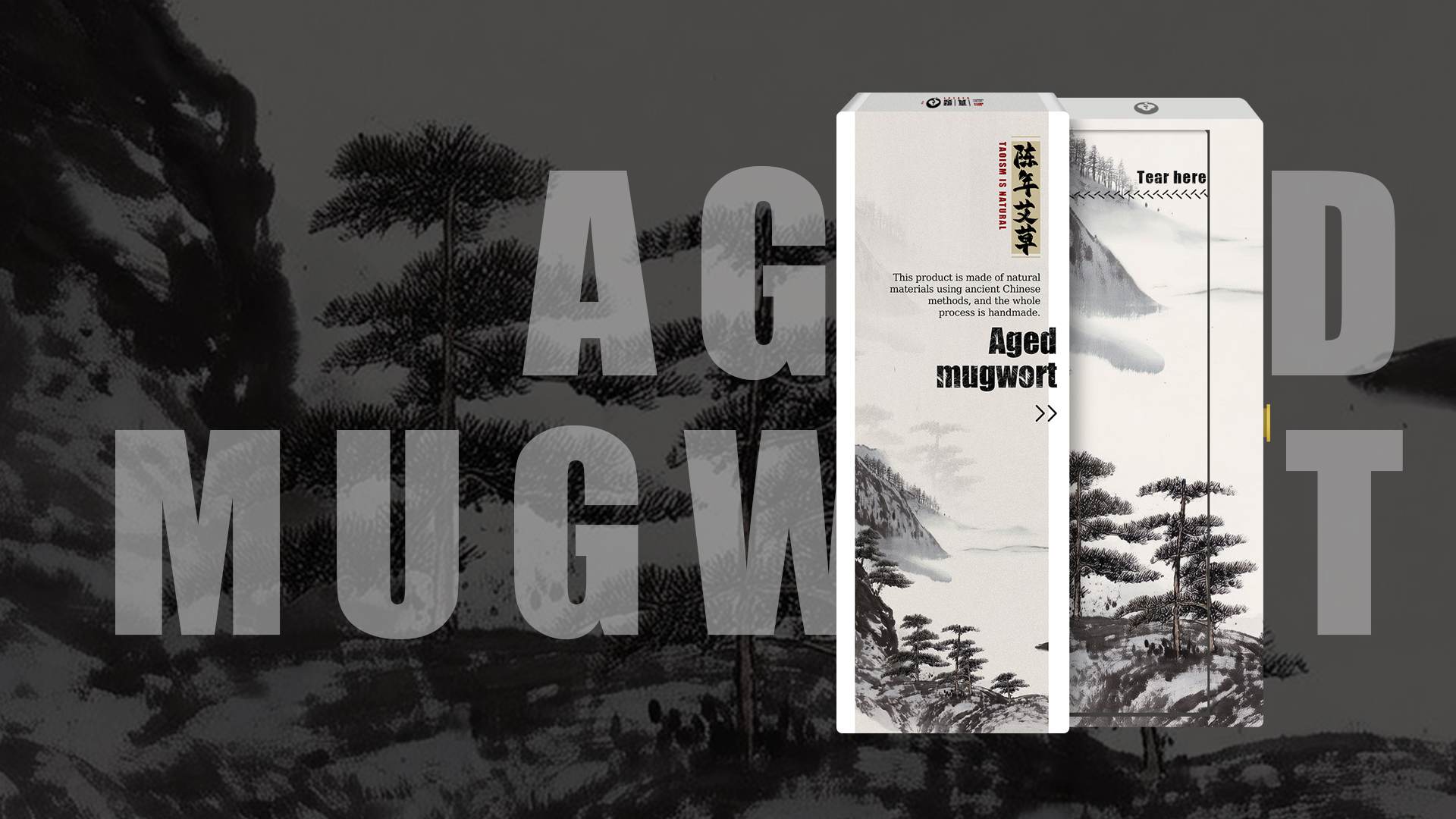
Wormwood: A Common Yet Miraculous Plant in Chinese History
Wormwood, a common yet miraculous plant, has held an important position throughout the long course of Chinese history, with relevant records in numerous ancient classics. As early as the Pre-Qin period (c. 2100–221 BCE), Wushier Bingfang (The Prescriptions for Fifty-Two Diseases) mentioned that mugwort leaves could be used for stopping bleeding and treating wounds. During the Eastern Han Dynasty (25–220 CE), Zhang Zhongjing, a renowned physician, created "Jiao’ai Tang" (Mugwort and Donkey-Hide Glue Decoction) in his work Jinkui Yaolue (Synopsis of the Golden Chamber), applying mugwort to the treatment of gynecological diseases.
In the Ming Dynasty (1368–1644), Li Shizhen systematically summarized the effects of mugwort in Bencao Gangmu (Compendium of Materia Medica), stating that it "can treat various diseases through moxibustion, warm the middle jiao (the middle energizer), dispel cold, and eliminate dampness." The phrase "Just as a seven-year illness requires three-year-old mugwort for treatment" in Mencius·Lilou Shang (Mencius: Book of Lilou, Part One) indirectly reflects the significant role of mugwort in moxibustion at that time. Zhao Qi, a scholar of the Han Dynasty (202 BCE–220 CE), annotated this sentence, noting that "mugwort can be used for moxibustion to treat human diseases, and the longer it is dried, the better it becomes."
In the Jin Dynasty (266–420 CE), Ge Hong compiled a large number of moxibustion prescriptions in his work Zhouhou Beiji Fang (Emergency Prescriptions to Be Kept in One’s Sleeve). His wife, Bao Gu, was even honored as "the first person to treat diseases with moxibustion therapy." She was skilled in using moxibustion to cure illnesses, and particularly achieved remarkable effects in treating excrescences and warts with "Hongjiao’ai" (red-stemmed mugwort), a specialty of southern China. Sun Simiao, a famous physician of the Tang Dynasty (618–907 CE), emphasized in Qianjin Yaofang (Essential Prescriptions Worth a Thousand Gold) that "one’s medical skills are not exquisite without mastering moxibustion; moxibustion on Zusanli (a crucial acupoint) is known as the ‘longevity acupoint’." He personally practiced health preservation through moxibustion, and his works also include a great deal of content related to moxibustion. In addition, Huangdi Neijing (Inner Canon of the Yellow Emperor) established the theoretical framework of moxibustion therapy, covering aspects such as the origin of moxibustion and its applicable scenarios. The records in these classics all highlight the unique value and long-standing history of mugwort in the field of traditional Chinese medicine.
Aged Mugwort Production Steps
1. Raw Material Selection
The production process includes sourcing Aged mugwort of top quality from trustworthy plantations. The criteria for the selection of the leaves are that they must be mature and aged for at least three years to ensure stable aroma, high volatile oil content and, therapeutic properties of the best quality.
2. Natural Sun-Drying and Aging
Fresh mugwort leaves are dried under the sun in a traditional way and then aged in a controlled room. The fermentation of the herb is achieved naturally during this time because the temperature and humidity are regulated tightly, thus, the purity is increased, and the harshness is decreased.
3. Fine Grinding
The aged mugwort is finely ground after the low-temperature milling method is used to achieve the uniform particle size and to preserve the essential oils and other active compounds.
4. Forming and Shaping
The powdered Aged mugwort is converted into cones, sticks, pads, or any other forms depending on the final use through the shaping process. The process of forming the shape is a minimum in terms of additives, thus, the product authenticity and safety are guaranteed.
5. Sterilization and Packaging
The sterilization of the mild type is carried out on each batch so as to get rid of the contaminants that might be present without affecting the natural properties. After that, the products are vacuum-sealed so that the aroma, freshness, and, shelf life are retained.
Quality Control and Testing Procedures
1. Raw Material Inspection
Every batch of Aged mugwort coming from outside is checked for the moisture level, leaf maturity, color, aroma, and pesticide residues. Only those materials that meet the strict standards are allowed to go to the production stage.
2. Microbial and Contaminant Testing
To keep the products safe and in line with international regulations, tests are done on samples taken during and after the processing for bacteria, mold, heavy metals, and impurities.
3. Active Ingredient Analysis
The main source of the essential oil and the most important functional components are figured out by gas chromatography. This is the way to ensure that the efficacy is the same in all the products.
4. Physical Quality Evaluation
The tests on density, burning stability (for cones and sticks), elasticity (for pads), and particle uniformity are done on the high-performance products that have been finished.
5. Final Packaging Inspection
As one of the quality control steps, before the products are sent away, checks are made on packaging tightness, labeling accuracy, and batch traceability numbers.
About Company
We were founded in the early 1980s. We are a large-scale professional fragrance enterprise that has developed from a state-owned factory and integrates production, processing, research and development, and sales. The company covers an area of 10,000 square meters, with a building area of 7,000 square meters, and has its own raw material base. At present, we have more than 300 employees, a professional fragrance research and development team, a product design team, and fully realize the mechanical assembly line operation of products. There are more than ten supporting enterprises. The product quality has reached the domestic leading level, and we undertake OEM cooperative production.
FAQ
1. What is Aged mugwort incense and how is it different from regular mugwort?
Aged mugwort refers to a product that has been naturally fermented and kept for several years to increase the aroma, softness, and purity of the burn and thus it releases a richer therapeutic scent.
2. What benefits does Aged mugwort incense provide?
It is famous as a remedy for relaxation, better sleep, air-purifying, and aiding in the traditional wellness process.
3. Does Aged mugwort incense produce heavy smoke?
The smoke that results from burning good quality aged mugwort is very faint and clean, thus it is fit for use in the interior of a house.
4. Is Aged mugwort incense safe for sensitive users?
Definitely. Most people characterize it as a gentler and non-irritating agent because it is a natural product and no chemicals are added.
5. How should I use Aged mugwort incense for stress relief?
Working in a calm environment, insert 1 stick in the burner and let the herbal smell spread over the room for 15–30 minutes.
6. Can Aged mugwort incense help improve sleep?
To be exact, they do it mostly before sleeping when they want to have a nice and quiet atmosphere for deep rest.
7. How is Aged mugwort incense made?
The process involves using aged leaves, powder that is very fine, natural binding agents, and slow drying in order to keep the aroma.
8. How long does one stick of Aged mugwort incense burn?
Normally they last from 25 to 40 minutes, variations in thickness and humidity may cause the time to differ.
9. How should I store my Aged mugwort incense?
Taking care of it means that like other products which need to be protected from the sun and kept dry, it shall be placed in a cool and dry place that is sun-free to maintain fragrance quality.
10. Is Aged mugwort incense suitable as a gift?
Absolutely. Its value as a healing agent of tradition along with its luxurious aging making it a popular and thoughtful gift choice for those who seek wellness.
Copyright © Guangzhou Fuzhen Trading Co., Ltd.
 EN
EN