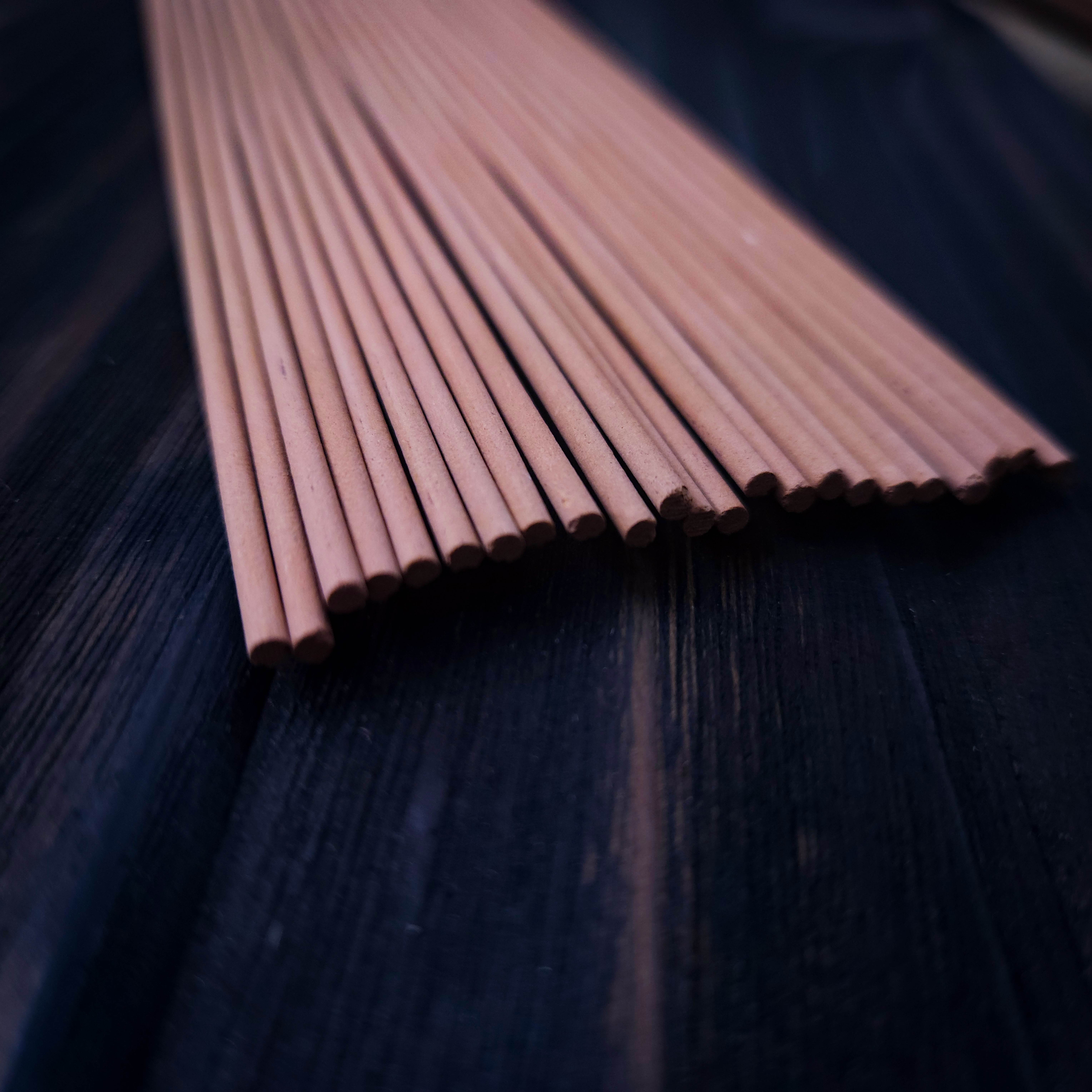
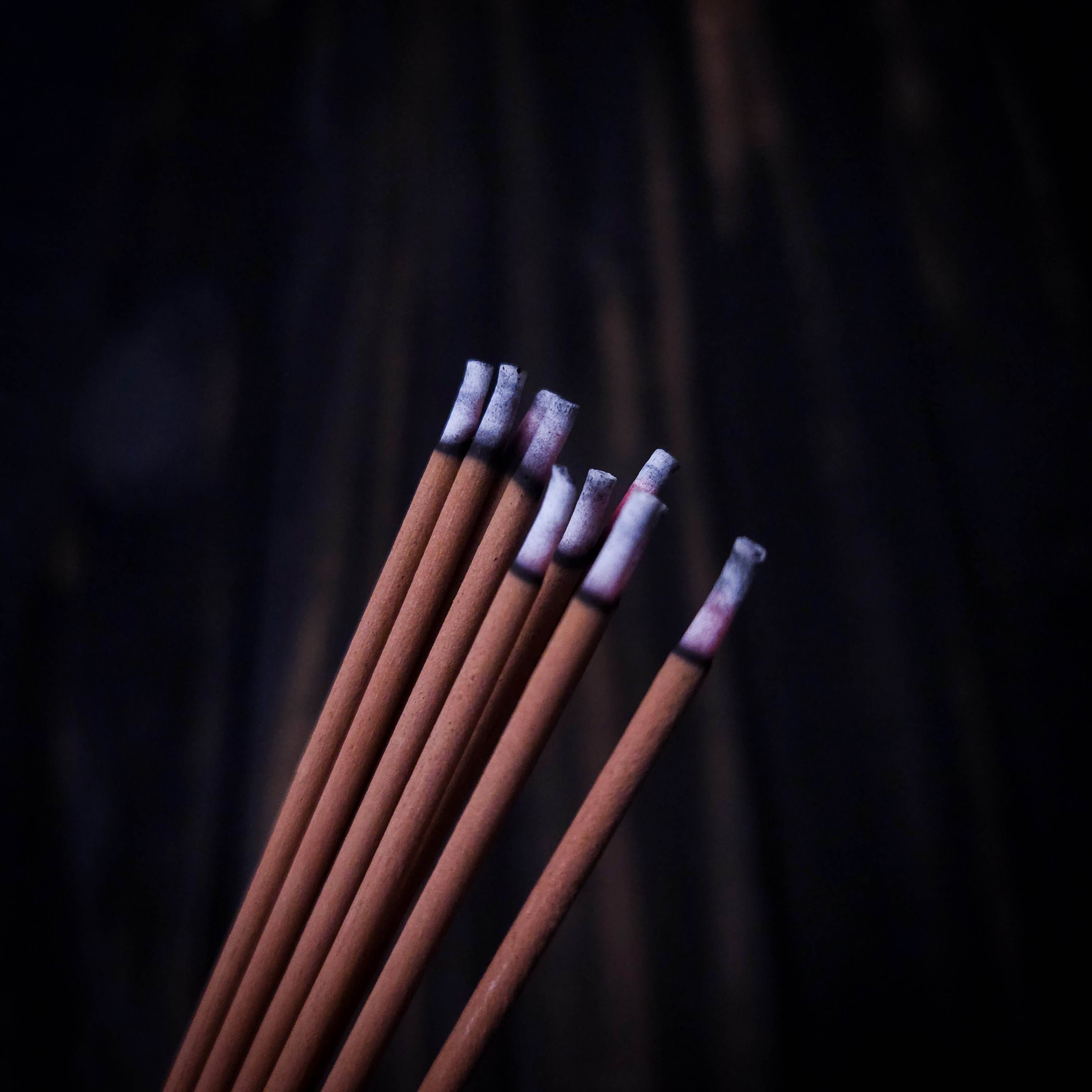
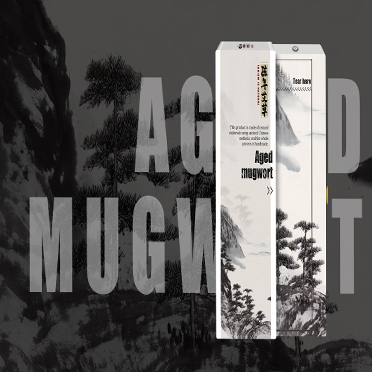
Creating high-quality Thuja incense sticks requires a standardized manufacturing workflow and strict quality management to ensure consistent aroma, safety, and performance.
Features:
[Natural Exotic Wood] Originated from sheer cliffs, these woods feature a variety of unique shapes, each one a unique work of art, offering both collectible and ornamental value.
[Unique Fragrance] Its sweet, sharp aroma, a blend of fruit, mint, and medicinal notes, invigorates the mind, purifies the air, and relieves tension.
[Calming and Healthy] In Traditional Chinese Medicine, its aroma is believed to calm the mind, clear the liver, and reduce internal heat, helping to improve sleep and enhance concentration.
[Auspicious Meaning] "Bai" (cypress) is pronounced the same as "bai" (hundred), signifying longevity and well-being. Its tenacious vitality symbolizes unwavering self-improvement, making it a symbol of good fortune and prosperity.
Specifications:
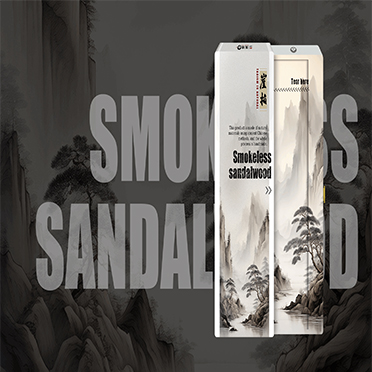
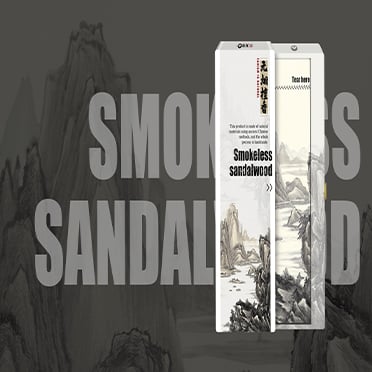
Product Specifications: 28*10*4cm per box. A standard box contains approximately 100-120 pieces, subject to actual delivery.
Standard weight: 200g
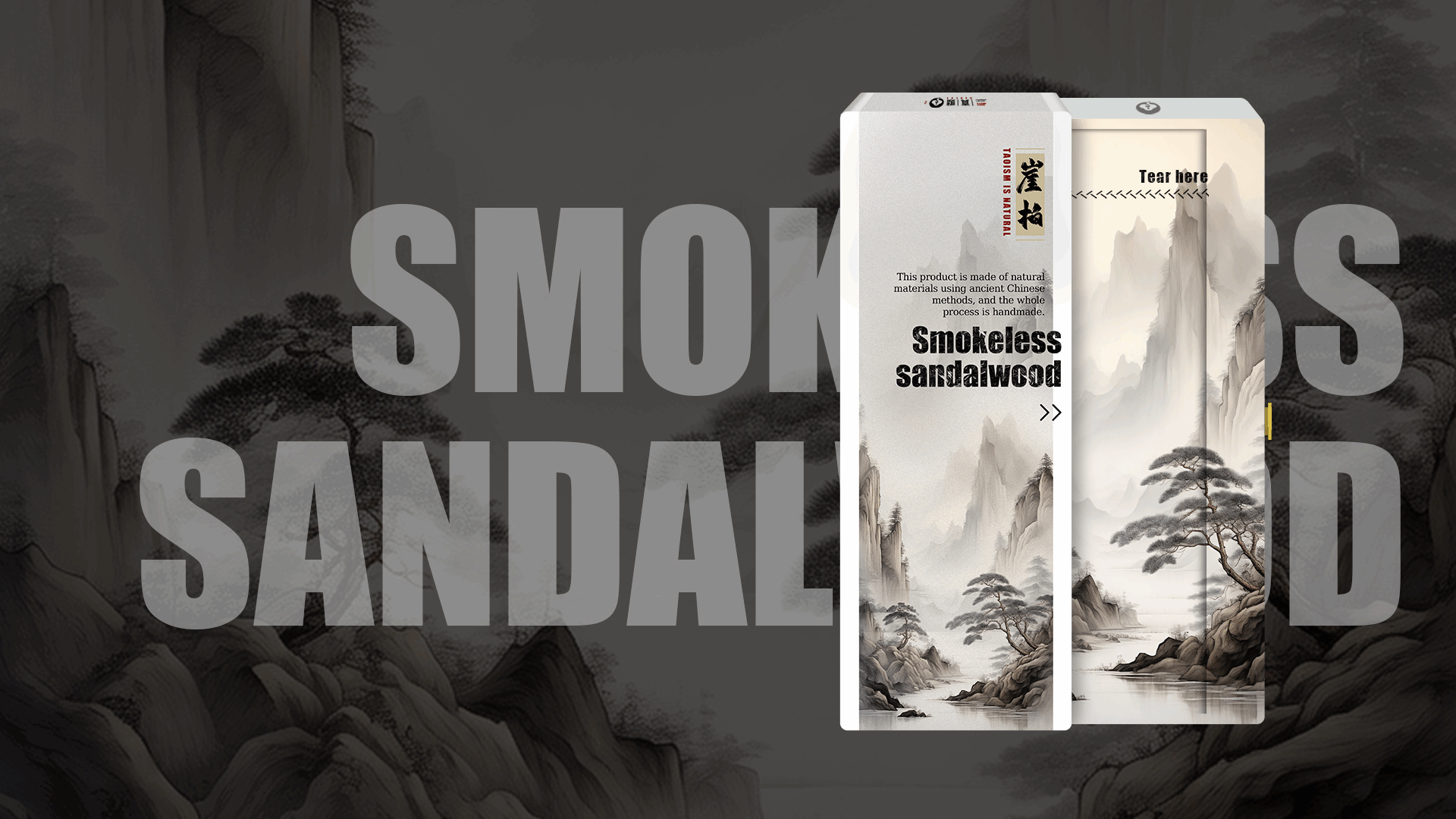
Cypress Incense: An Elegant Treasure in Incense Crafting Carrying Millennia of Heritage
The connection between cypress wood and incense making dates back to the Pre-Qin Period (c. 2100–221 BC). The Book of Songs, China's earliest collection of poetry, praises cypress with the line "Flourishing like pines and cypresses"—a tribute that not only highlights its tenacious vitality but also implies its role in early ritual incense. Today, the rare cypress wood used for incense production mostly originates from sheer cliffs. Its unique growing environment endows the wood with a dense texture and rich resin content, laying an excellent foundation for the retention and release of fragrance. This is also the core reason why it boasts both collectible and ornamental value.
I. Advantages in Incense Making: A Natural Favorite of Incense Materials
The advantages of cypress wood in incense making stem from its unique material properties and aromatic components. Volatile compounds such as cedrol and terpineol contained in the wood together create a complex fragrance that is sweet yet fresh—with fruity notes derived from the ester compounds in the wood itself, mint-like coolness from terpene substances, and a faint medicinal aroma associated with its flavonoid components. This fragrance not only has high recognition but also possesses the property of "active purification": it can absorb odors in the air, making the fragrance more pure and refreshing.
II. Incense-Making Craftsmanship: Balancing Tradition and Innovation
Traditional cypress incense making follows five key steps: "Selection, Processing, Grinding, Blending, and Shaping". During selection, priority is given to the heartwood of old-growth cypress, with impurities in the sapwood removed. The processing stage uses low-temperature drying to lock in the fragrance, avoiding the destruction of aromatic components by high temperatures. When grinding, the fineness must be controlled—coarse powder is suitable for fumigation, while fine powder can be made into stick incense. On the basis of inheriting traditional essence, modern craftsmanship adopts precision temperature control technology to ensure more uniform fragrance release, making it suitable for various application scenarios.
III. Value of Cypress Incense: From Physical and Mental Nourishment to Cultural Symbol
Compendium of Materia Medica, a classic of Traditional Chinese Medicine, records that cypress wood "its aroma promotes diuresis and calms the mind and spirit". Modern research also confirms that its fragrance can regulate neurotransmitters, relieve anxiety and improve sleep quality. Burning a burner of cypress incense in the study, its fresh aroma can enhance concentration; using it in the bedroom helps soothe the nerves and induce sleep. What's more noteworthy is its cultural implication: the Chinese character for "cypress" (柏) is homophonic with "hundred" (百), symbolizing longevity and well-being. Its tenacious nature of growing on sheer cliffs represents unremitting self-improvement, making cypress incense a perfect choice for gifting and personal use—it not only conveys the concept of health but also carries blessings for longevity and prosperity.
From ritual utensils in ancient times to daily incense products today, cypress wood, with its fragrance as a medium, perfectly integrates the gift of nature and cultural connotations, becoming a carrier of incense culture that spans thousands of years.
Production Process for Thuja Incense Sticks
1. Thuja Raw Material Selection
One of the raw materials is the plucking of the leaves and branches of the Thuja which comes from the environmentally friendly forests full of mature Thuja trees that are fragrant. To be able to let the release of the beautiful natural scent produced by the Thuja trees, only grown and mature ones are selected. The freshness of the raw materials, their oil content, and purity are among the inspected things.
2. Thuja Drying and Grinding
Once started, the drying of the fresh branches of the Thuja is slow to keep the release of the essential oils and at the same time, the moisture content is reduced. The material that was freshly harvested and now is dried completely is later on milled into a fine powder of Thuja.
3. Base Powder Formulation
The powder of the Thuja is mixed with natural binding agents such as makko powder to a certain extent that they are enough to hold together the mixture and at the same time, the texture remains smooth and uniform. It is quite essential that the ratio of the ingredients is determined so that the result will be a product that can burn evenly, that has a strong made-to-burn aroma as well as optimal strength of the structure.
4. Mixing and Dough Preparation
The dough with the properties of pliability is prepared by mixing the Thuja blended with purified water. Without the presence of the right amount of moisture, the material cannot be shaped into the desired shape and when it is dried, it will crack; thus this point requires close attention.
5. Incense Stick Forming
Depending on the category of the product, the dough is either forced through a die to produce uniform sticks or it is rolled manually. The length, the diameter as well as the density of the sticks are the three things that are controlled so that the burning time is consistent.
6. Slow Drying & Curing
In a drying chamber where temperature and even the flow of air are regulated, Thuja shaped incense sticks are dried. These slow curing stages not only facilitate fragrance release but also stabilize the final aroma and prevent stick warping.
7. Surface Polishing & Packaging
Incense sticks after drying get a gentle surface polishing which helps the removal of dust and thus sticks get a clean surface. Packaging of the sticks follows dust-proof as well as eco-friendly packaging jobs which help protect the Thuja aroma and at the same time, product freshness is ensured both during storage and transport.
Quality Control and Inspection
1. Raw Material Purity Inspection
Thuja batches are subjected to microbiological screening, moisture testing, and visual inspection in order to verify biological purity. Any contaminating agents, for example, mold, dirt, and excess fiber, are removed completely.
2. Powder Fineness & Consistency Check
Thuja powder goes through the test of consistency and fineness in order to achieve the smoothness of the mixture and even fragrance distribution.
3. Moisture Content & Density Testing
Throughout the production of incense sticks, moisture meters and density analyses are used in order to maintain the stability and structure of each stick.
4. Burning Performance Evaluation
By igniting sample Thuja incense sticks, testers check for burning speed, flame stability, smoke output, and aroma release. Only those that feature a smooth and even combustion are allowed.
5. Aroma Quality Assessment
The sensory panel, trained in all aspects of fragrance, evaluates purity of the fragrance, strength of the Thuja and balance of the aroma. It is a guarantee that each batch has the characteristic smell expected.
6. Final Packaging Inspection
Firstly, a visual inspection is carried out on the packaging of the products that are ready for shipment. Subsequently, there is strength testing and sealing verification for the packagings which assure that every Thuja incense stick reaches customers in perfect condition.
We were founded in the early 1980s. We are a large-scale professional fragrance enterprise that has developed from a state-owned factory and integrates production, processing, research and development, and sales. The company covers an area of 10,000 square meters, with a building area of 7,000 square meters, and has its own raw material base. At present, we have more than 300 employees, a professional fragrance research and development team, a product design team, and fully realize the mechanical assembly line operation of products. There are more than ten supporting enterprises. The product quality has reached the domestic leading level, and we undertake OEM cooperative production.
FAQ
1. What is Thuja incense and how is it different from other incense sticks?
Thuja is an incense made of wood and the essential oils of the Thuja tree and is famous for its soothing and natural scent. In comparison with other incense, the Thuja incense gives off a milder smell and is more likely to be smokeless, which makes it perfect for usage in closed spaces.
2. Is Thuja incense smokeless?
Indeed, one is allowed to have a pleasant fragrance experience out of high-quality Thuja whose stubs are meant to be slowly burned thereby releasing minimal smoke and undertaken in a well-ventilated room without irritating the eyes or furniture.
3. Can Thuja incense help with relaxation or meditation?
Certainly, no other aromatic is more recommended for meditation practice, stress relief, and yoga rituals as Thuja whose scent is naturally calming and helps to build a peaceful setting.
4. Are Thuja incense sticks safe to use around pets and children?
Thuja incense if not misused is normally trouble-free. To be on the safe side, give adequate fresh air during use and discontinue use if any trouble spots are found in the room.
5. How long does a Thuja incense stick burn?
Generally, one Thuja incense stick has a burning time of 30 to 60 minutes if the size as well as the quality of the stick and are taken into consideration, thus a long-lasting fragrance is guaranteed.
6. How should I store Thuja incense sticks?
You can put your Thuja sticks in a clean and well-ventilated space without exposing them to direct sun rays. Very important, storage not only safeguards the natural aroma but also ensures that the sticks give off the same Thuja perfume when burnt.
7. Can Thuja incense purify the air or repel insects?
The essential oil of Thuja has biologically active agents capable of repelling insects to a moderate extent and also rejuvenating the air, hence its popularity among urban dwellers and practitioners of meditation.
8. How do I burn Thuja incense safely?
Firstly, insert your patkulla or regular incense stick into a properly designed incense holder. Secondly, place the holder on a non-flammable surface. Thirdly, remove all flammable items within the vicinity of the holder. And, lastname, but not least; this procedure should be undertaken with full attention and care.
9. Can Thuja incense be used for aromatherapy?
The comforting scent of Thuja is a great help in aromatherapy for easy relaxation, better concentration, and creating a serene environment at home.
10. Where can I buy authentic Thuja incense sticks?
Genuine Thuja incense sticks can be obtained through trustworthy online stores, aromatherapy boutiques, or purchasing directly from certified manufacturers to guarantee quality and smokelessness.
Copyright © Guangzhou Fuzhen Trading Co., Ltd.
 EN
EN