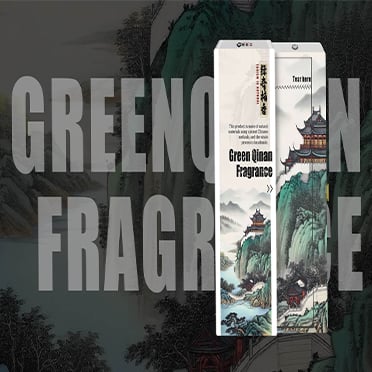
Features:
A gift from the sea, an art form of time. Derived from precious secretions from sperm whales, it has been refined and honed by decades, even centuries, of ocean waves. Its fragrance is gentle and mellow, with a unique marine algae, warm woody notes, and a lingering milky sweetness. It's more than just a scent, but a story of the ocean, the most luxurious and precious fixative among premium perfumes.
Specifications:
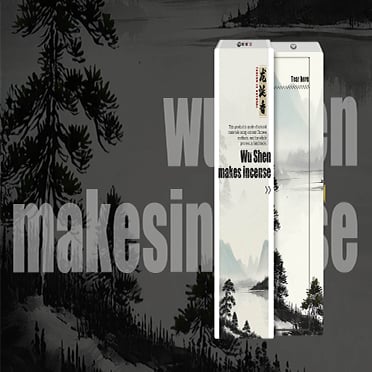
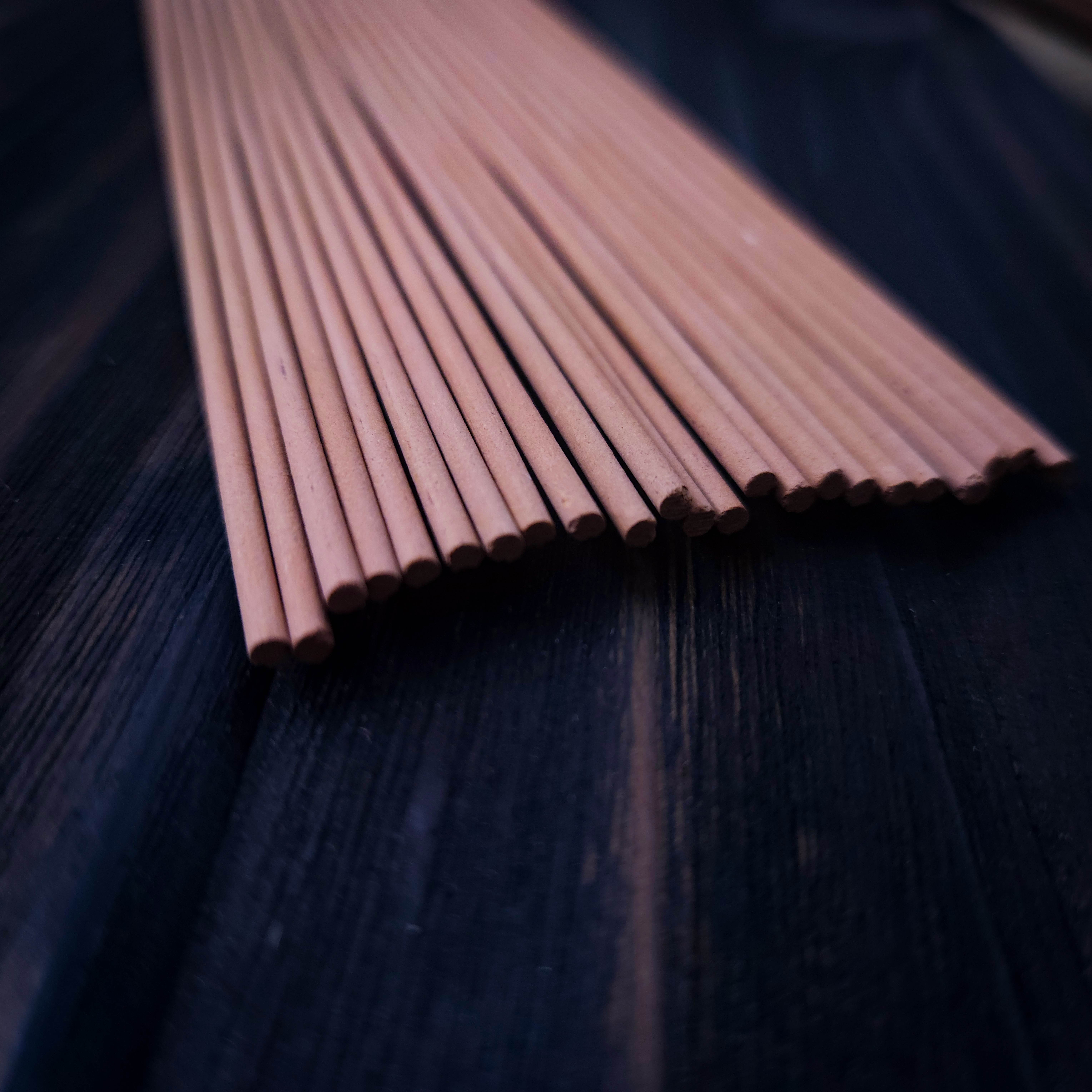
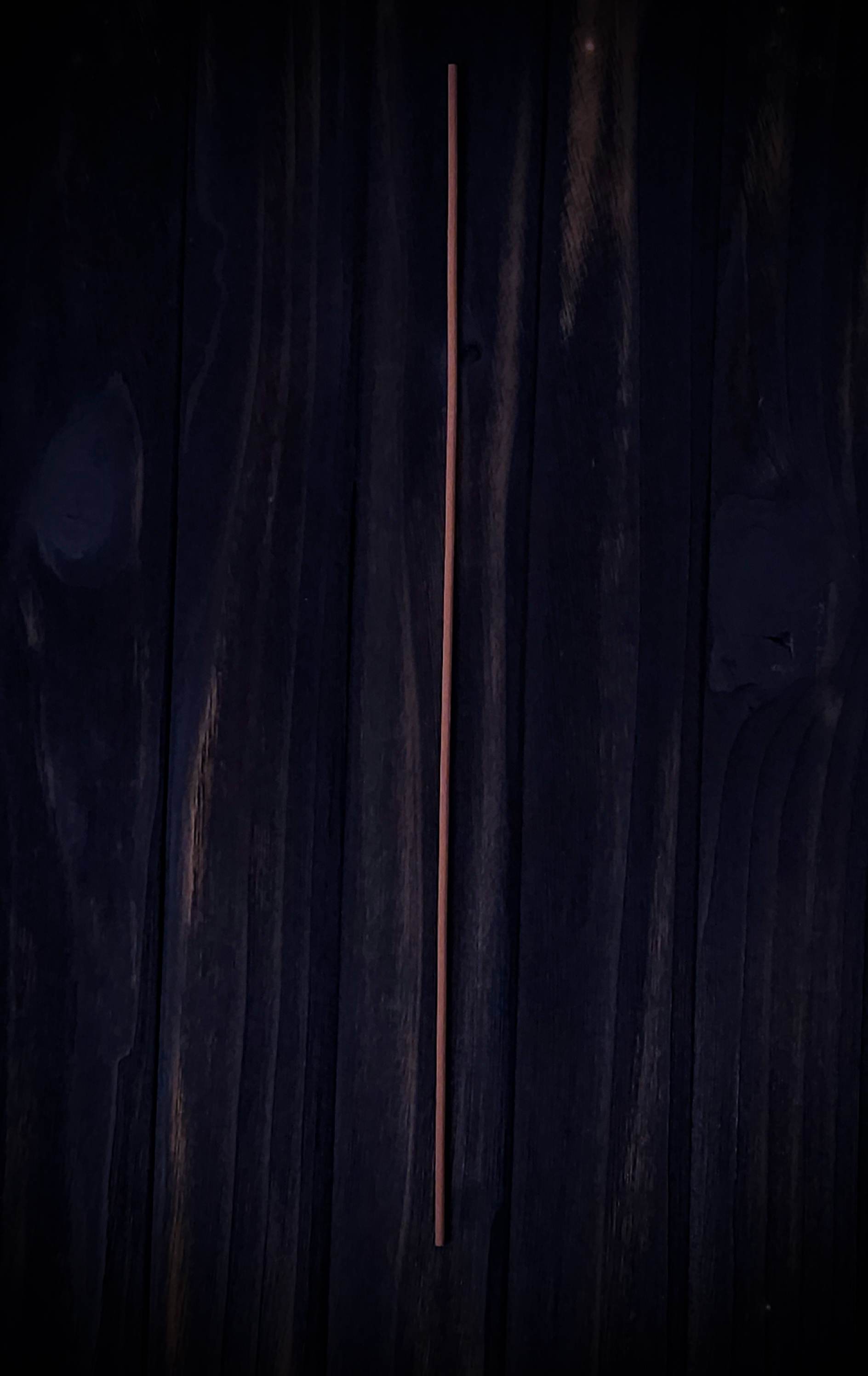
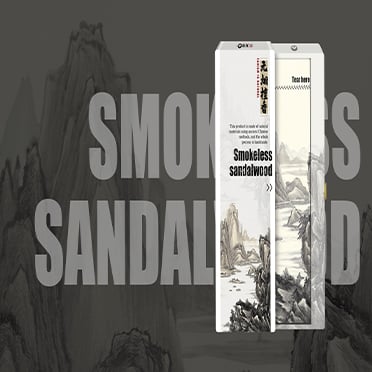
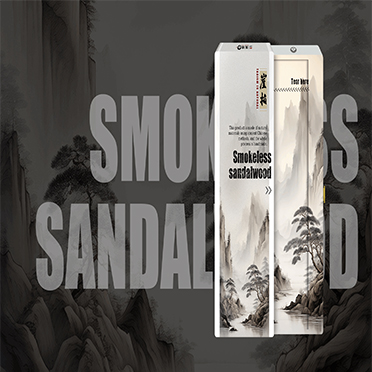
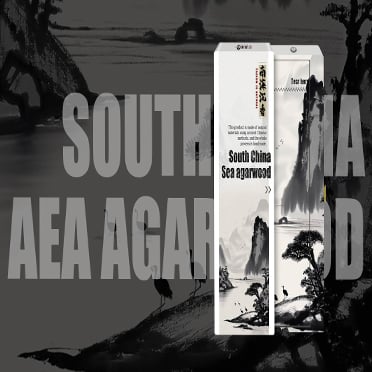
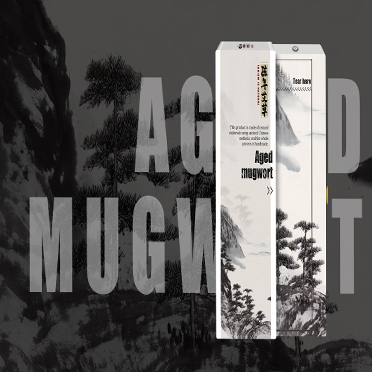
Product specifications: 28*10*4cm per box size. A standard box contains about 100-120 pieces, which is subject to the actual receipt.
The standard weight is 200g.

Agarwood: Millennium-long Cultural Veins
Agarwood, with a history of thousands of years in Chinese culture, is a cultural symbol with both material and spiritual values. Its cultural context can be traced back to the Pre-Qin Period (c. 2100–221 BC). Although the phrase "the purest fragrance that embodies perfect governance" in Shangshu (Book of Documents) does not explicitly refer to agarwood, it established the ritual status of high-quality aromatic materials. Agarwood was first recorded as a medicinal herb in Shennong Bencao Jing (Shennong's Classic of Materia Medica) during the Han Dynasty (202 BC–220 AD), which notes that it "warms the middle-jiao and tonifies the five internal organs". At that time, it was exclusively used by the royal family and introduced into the Central Plains in small quantities via the Silk Road.
During the Wei, Jin, Southern and Northern Dynasties (220–589 AD), the prosperity of Buddhism and Taoism promoted the upgrading of agarwood culture. Buddhists used it for worshipping Buddhas for its "purity and connection with the divine", while Taoists relied on it for aiding in spiritual practice. This transformed agarwood from a medicinal material to a spiritual medium. In the Tang Dynasty (618–907 AD), with the flourishing maritime trade, agarwood from Southeast Asia poured into China in large quantities through ports like Guangzhou and Quanzhou. The literati class began to use agarwood to embellish their lives, and famous poets such as Bai Juyi and Liu Zongyuan all wrote poems eulogizing it.
The Song Dynasty (960–1279 AD) marked the peak of agarwood culture. The literati integrated it into the "four leisurely pastimes" (tea-making, flower arrangement, painting appreciation, and incense burning). Scholars like Su Shi and Huang Tingjian often read and tasted tea accompanied by agarwood. In the Ming (1368–1644 AD) and Qing (1636–1912 AD) Dynasties, agarwood became an even more prominent symbol of status. The imperial court established "Zaoban Chu" (Imperial Workshop) to produce agarwood artifacts, and the trend of private collection emerged. Famous varieties such as Hainan agarwood and Nha Trang agarwood from Vietnam have been renowned to this day, becoming a cultural heritage spanning thousands of years.
Product Manufacturing Process
1. Raw Material Identification and Authentication
The beginning point for any Ambergris-based products is the authentication of raw materials. Ambergris comes from those suppliers that have been approved and thus can provide a certificate of origin for the marine product, geographical traceability, and documents confirming compliance. To make sure the material is pure, not polluted, and sourced without harming the environment, identification methods based on science such as the profiling of natural compounds and spectroscopic analysis, are used.
2. Ambergris Purification and Pre-Processing
The first step for the purification of raw Ambergris is the confirmation of its authenticity. The process includes cleaning, filtering, and softening by a controlled warming. It is the moment in which Ambergris becomes uniform in the aroma and consistency of the texture. Depending on what the final product is, the material is either milled to obtain fine particles or is dissolved in alcohol.
3. Formula Development and Blending
At present, Ambergris is inserted in the specific pharmaceutical or cosmetic products like perfumes, essential oils, skin care products, or aromatherapy products. The concentration of the compound is set by the technicians to get the required scent. Ambergris mixing with the carrier oils, stabilizers, and the rest of the fragrance notes to make a homogeneous mixture is done by the controlled-speed mixer.
4. Aging and Maturation
Ambergris mixtures are maturing in a closed vessel in order to gain the aromatic complexity. This aging time allows the scent molecules to bond and thus get the smell characteristics that are deeper, softer, and more lasting. The temperature and the humidity are being monitored all the time, because changes at this stage may influence the final aroma quality.
5. Filling and Packaging
Filling operations are performed by machines after the Ambergris product has reached the final stage which is the line for filling where automated systems portion the formula into bottles, jars, or atomizers. To make sure the packaging is safe, they are sterilized and each hygienic batch is filled. In order to guarantee safety and give the possibility of traceability, it is possible to see the labels with the batch numbers and the compliance markings, which have been fixed, together with the labels and the codes, on the consumer packaging.
Quality Control and Quality Testing
1. Raw Material Quality Control
All of Ambergris raw materials are first subjected to a very rigorous quality check before they are used in the production. The testing includes the analysis of the purity content, the evaluation of the moisture content, the verification of compounds, and among other things, the review of the documentation for the ethical sourcing of materials. No part of the production process is allowed to be entered by the materials that only meet the international standards for fragrances and cosmetics.
2. In-Process Quality Monitoring
Throughout the processes of blending, aging, and filling quality monitoring by technicians is a continuous activity. They check for the mixture’s viscosity, color, odor strength, and consistency. Any variation from the standard will lead to immediate modification of the process or a batch will be put in quarantine. Records of the calibration of the equipment and the environmental monitoring are done on a daily basis.
3. Microbial and Chemical Safety Testing
The testing of microbial and chemical safety is done of Ambergris batches at a certified laboratory. The microbial tests include the detection of bacteria and mold that could be harmful. The chemical safety analysis reveals that there are no heavy metals, no prohibited additives, and no residues of solvents that are unsafe for use. The stability tests are done to determine the product’s shelf life and performance under different atmospheric temperatures.
4. Sensory Evaluation
The aroma evaluation to establish the scent profile of the product standard is done by expert perfumers or trained sensory specialists. They accomplish this by assessing the scent’s duration, top/middle/base note harmony, and diffusion strength, thus assuring the highest sensory quality.
5. Final Product Inspection and Packaging Control
At the time of the product being ready to ship, visual inspection of each unit is done to make sure that it is accurate in terms of the filling, free of leakage, correct in labeling, and intact in packaging. The batch samples are then closed and stored for future use.
About Company
We were founded in the early 1980s. We are a large-scale professional fragrance enterprise that has developed from a state-owned factory and integrates production, processing, research and development, and sales. The company covers an area of 10,000 square meters, with a building area of 7,000 square meters, and has its own raw material base. At present, we have more than 300 employees, a professional fragrance research and development team, a product design team, and fully realize the mechanical assembly line operation of products. There are more than ten supporting enterprises. The product quality has reached the domestic leading level, and we undertake OEM cooperative production.
FAQ
1. What is Ambergris incense and why is it special?
The main ingredient of Ambergris incense is a rare and natural material which is a part of the sperm whale's biological process. Its singular, fresh, yet earthy scent is highly acclaimed in aromatherapy and likewise in some spiritual disciplines.
2. Does Ambergris incense produce smoke?
Generally, the best quality Ambergris incense products are burnt cleanly resulting in very little smoke. Some brands have a completely smokeless version for indoor usage that does not cause irritation to the eyes or the respiratory system.
3. How long does an Ambergris incense stick burn?
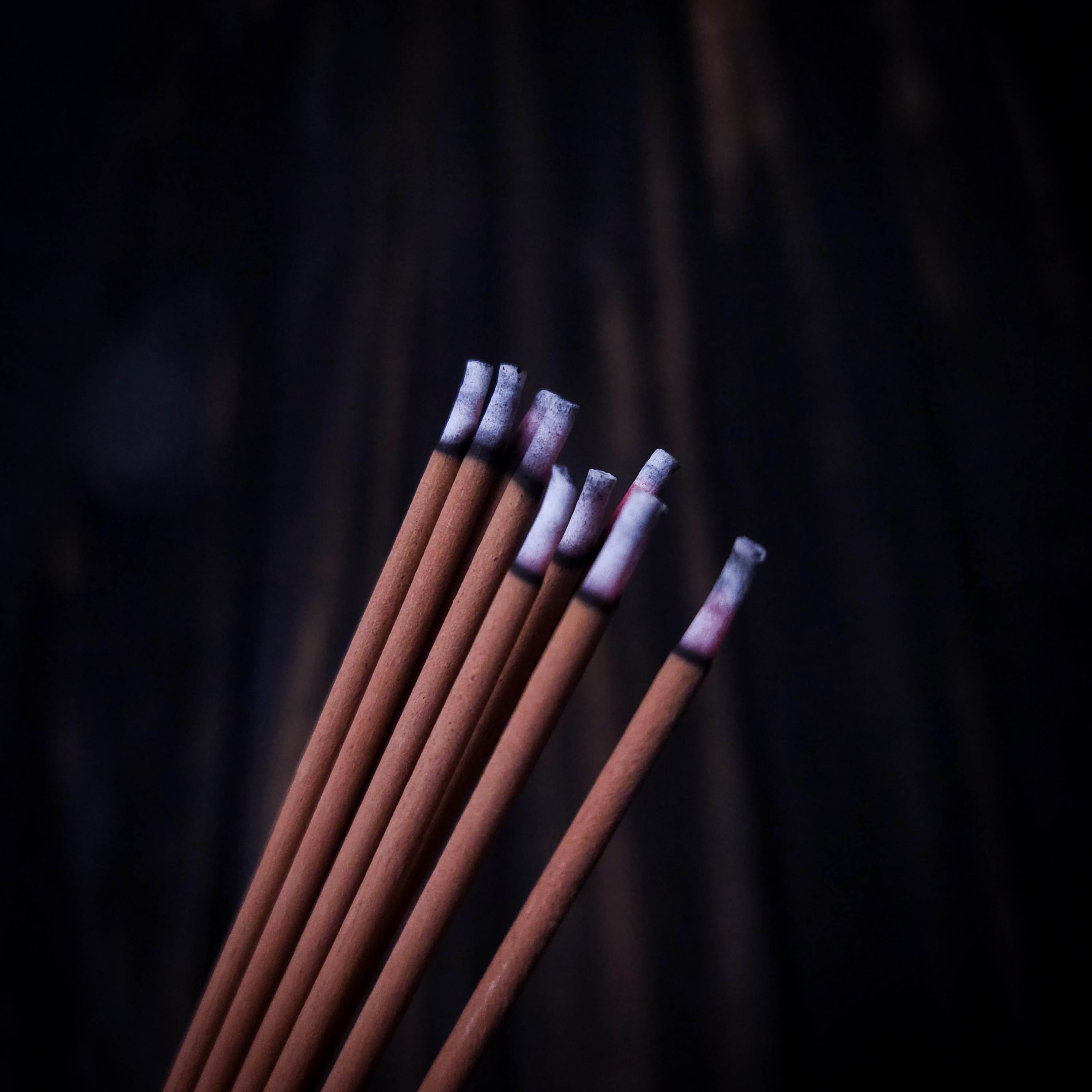
An average Ambergris incense stick of 45 to 60 minutes of burning time is mostly determined by the length and the material of the stick. The slow burning allows the scent to be absorbed evenly throughout the room.
4. Is Ambergris incense safe for daily use?
Sure, an original Ambergris incense consists of naturally derived ingredients and hence it is safe to use it regularly in a place with good air circulation. Completely smokeless versions help in lessening the risk of smoke-related problems.
5. Can Ambergris incense improve relaxation or meditation?
Ambergris has been long associated with soothing and stabilizing properties. Quite a number of them report that they gain more focus, relaxation, and improved meditation experience.
6. How should I store Ambergris incense sticks?
The ideal conditions for them are cool, dry, and dark surroundings while airtight containers would be the perfect storage solution. Keeping them in the right way not only helps to keep the perfume intact but also extends the period of use.
7. How is Ambergris incense made?
It is produced by combining the powder of natural Ambergris along with plant-derived binders and essential oil. The blend is molded into sticks, left to dry, and then prepared carefully to give the best possible scent.
8. Is Ambergris incense vegan or cruelty-free?
Indeed, lovely Ambergris is taken from the environment where it fell off the ocean and not from the whales. Some products are entirely vegan and are not tested on animals.
9. What rooms or spaces are ideal for Ambergris incense?
Ambergris incense is perfect for use in such places as a living room, bedroom, meditation corner, yoga studio, or wherever a comforting, elegant scent is needed.
10. How do I know if Ambergris incense is authentic?
Genuine Ambergris incense, aside from the label calling for entirely natural ingredients, is generally accompanied by a certificate or at least some information about the source, and most importantly, it has a unique sweet, earthy complex that is different from artificial ones.
Copyright © Guangzhou Fuzhen Trading Co., Ltd.
 EN
EN